In the aftermath of Brexit, I am still reeling. As a dual Australian-British citizen, I can no longer dream about or plan an extended working stay or a semi-retirement in 27 European countries. There are dozens of political, economic and social implications still to be revealed. And most seem like they’ll have the power to adversely affect my young nephew, who lives in the town of Rugby, Warwickshire with his parents.
Watching Brexit from the sidelines of Australia, I wondered at the tactic to leave this critical and vastly-complex decision to the public. I keep asking myself, ‘What was Cameron thinking?’ The Stay and Leave campaigns both seemed to target emotion rather than providing information, with misinformation combated with fear-mongering.
So, how do you let an emotional public, or even worse, an ill-informed or indifferent public to make such an important decision, particularly when you’re not even compelling them to participate? Isn’t that the job – the complex and critical job – of elected officials? Are there some things that should not be left to the public to decide? Is this the ultimate SNAFU in the pursuit of democracy?
This isn’t ‘should we have Daylight Savings or not?’ This is the future of a country, of its people and its geographical neighbours. This was too important a decision to leave to the layperson.
And in the aftermath, we’ve seen a wave of ‘Bregret’ – people who voted Leave, but didn’t really understand the implications. Or even worse, we are seeing people publicly shamed for gross stupidity of the ‘extra sunlight from Daylight Savings will fade my curtains’ magnitude.
What did David Cameron do when he decided to ask the British people to vote???
On Saturday July 2, Australia goes to the polls for a federal election. Unlike our American cousins across the pond, our dominant political parties don’t stray too far from the middle. We have slightly left of centre (Labor), slightly left of that (the Greens), slightly right of centre (the oddly-named Liberals) and slight right of that (the Nationals, who form a Coalition with the Liberals). It’s essentially Shorten (Labor) vs Turnbull (Liberals) and politically speaking, they’re much of a muchness when compared with the Trump/Clinton dichotomy.
The biggest divides between the (slightly) left and (slightly) right are around Education – both parties believe it is important and will continue to throw buckets of money at it, but they have different ideas of how to spend the money and how many buckets full to throw – and Marriage Equality.
Both candidates believe that we should have Marriage Equality in Australia. In fact, when Turnbull ousted (idiot) Abbott, many Australians watched with bated breath to see him make history and call for a parliamentary vote on the matter. We knew that given the chance, parliament was very likely to pass a law allowing men and women to marry their same-sex partners. You know, a basic human right.
But he didn’t. He said he would, but he didn’t. His party didn’t want a parliamentary solution. And, I have to say, as much as I was relieved to see Turnbull take over from (idiot) Abbott, he wants to be PM more than he wants to do what he knows what is right, what he believes is right.
Instead, if elected, the Coalition will hold a plebiscite. I had to look up what a plebiscite is. Essentially, it is a non-compulsory ‘vote’ at the end of a lengthy (and often ugly) public debate, and the result does not compel the government to act on it – even if it is in favour of Marriage Equality, which is ultimately what the Prime Minster supports. Ridiculous.
So, why? Why are we going to the expense ($160m) so we can debate if a group of people can have a basic human right? Again, this isn’t whether or not we should have daylight savings – something that has gone to referendum in this country – a referendum being compulsory with a legally-binding result. Why are we treating a right with less importance than a preference?
“Placing the rights of a minority group in the hands of the majority seems almost ludicrous. A sizeable number of the electorate could simply vote against same-sex marriage without being properly informed in the way elected politicians would usually be when legislating.”
Penny Wong, a prominent Australian politician who has a daughter with her long-term same-sex partner, has spoken out repeatedly about the planned plebiscite. Ms Wong says, “A plebiscite designed to deny me and many other Australians a marriage certificate will instead license hate speech to those who need little encouragement…Mr Turnbull, and many commentators on this subject, don’t understand that for gay and lesbian Australians, hate speech is not abstract. It’s real. It’s part of our everyday life.”
I don’t always agree with political and social commentator Alan Jones, but I agree with his response to the question, ‘why should Australian be wary of a plebiscite?’ “Parliament. We select 150 in the House of Representatives to represent those 22 million people on critical issues such as this.”
And this is a critical issue. This is a human rights issue and subjecting same-sex couples and their families to the type of scrutiny and bigotry that a plebiscite will most definitely bring, is a human rights violation – particularly when polls have told us that the majority of Australians either support Marriage Equality or are indifferent.
We elect representatives to parliament to represent us and to make decisions on our behalf. It’s their job. And that is why I cannot vote for the Liberals on Election Day. In the matter of ensuring a basic human right for all Australians, they simply will not do their job.
I moved from Sydney to Seattle, Washington in January 2009 – just in time to watch President Obama’s first inauguration live on TV. He had been elected by the largest turn-out of voters in American history, and for many people it was a signpost of a better time to come. The vice grip of the Bush-Cheney era, their warmongering and tampering with the world’s economy, was over. As I watched Obama take the presidential oath, I felt like I was letting my breath out after holding it a really long time. I wasn’t alone.
Remember this hopeful guy?
Obama stepped in to lead the most powerful nation on earth, and it looked like real change was on the horizon. Early in his second year, he made this pointed remark about the Republicans’ economic policies:
“So after they drove the car into the ditch, made it as difficult as possible for us to pull it back, now they want the keys back. (Laughter.) No! (Laughter and applause.) You can’t drive! (Applause.) We don’t want to have to go back into the ditch! We just got the car out! (Applause.)” – May 13, 2010
Over the months and years, I watched as the Democrats lost their seats in congress, and the president was left to lead a discordant group who battled his policies on every front. The hostile congress created an impasse; Obama couldn’t get anything done. And it was frustrating. He was frustrated. That charismatic smile was nowhere to be seen; in its place was a taut line of exasperation.
Exasperated
And of course when Obama entered the next election to secure his second term, the Republicans jumped all over his inability to get anything done, all of his ‘broken promises’. A lot of people bought into that rhetoric. Other camps painted him with the ‘socialist’ brush, because socialism is a dirty word to many Americans – those people equate it with fascism.
I watched nervously, along with millions of Americans as his opponent, Romney, gained traction. On the surface, Romney may have seemed like a good guy – a religious family man who had worked hard to earn his vast fortunes – but his policies soon revealed him to be misogynistic, racist and classist. As well as wanting to repeal the law that gives women reproductive freedoms, Romney advocated trickle-down economics. This is the theory that if the rich get richer, their wealth trickles down in the form of more jobs for the poor. It’s been debunked by the International Monetary Fund and world-renowned economists, but try telling that to Romney – or to Mr Trump for that matter.
In the first presidential debate, Romney trounced Obama. It was as though Obama had given up the fight; at times, he just sat there and said nothing. It was terrifying. In the second debate, Obama showed up. This was the whip-smart, charismatic and likeable leader who’d won the last election.
At one point in the debate Romney carried on and on about a recent attack on an American embassy, and how the president had failed to call it out as an act of terrorism. Obama let Romney hang himself. “Go ahead, governor,” he said, and Romney started to doubt himself. The fact was that Obama had called it an act of terrorism, and Romney looked like a fool when the moderator corrected him. He never quite recovered and Obama won the debate.
“Go ahead, Governor.”(Photo by Spencer Platt/Getty Images)
But that was just one debate in a series; it was one battle in a war. When Romney was secretly filmed stating that 47% of the country were what we’d call here in Australia, ‘bludgers’, his disdain for the working and middle classes of the American people was undeniable – and yet his polling remained strong. We’re seeing this phenomenon in the current election. Every time Trump seems to make a misstep, he gains more supporters. This phenomenon is both baffling and alarming.
On election day in November 2012, my partner and I watched anxiously as the polls closed from east to west. States were either designated blue (Democrats – Obama) or red (Republicans – Romney). It’s a complicated voting system, but essentially, it does come down to numbers. If you have the most votes in the Electoral College, you win. I knew that the states with the last polls to close – Washington, California and Oregon – were all expected to ‘turn blue’, and that as the most populous state, California, was expected to call a very close election one way or the other.
When the election was finally called for Obama I actually cried with relief. I did not want to live in a country – or a world, for that matter – with that man at the helm.
Seeing a presidential election up close, my biggest take away is that US elections are exhausting. And not just for the candidates – how do they do all of that campaigning? – but also for the people living there. As we’re seeing right now, the lead up takes more than 18 months. 18 Months! That’s nearly as long as our last Prime Minister was in office. Thank goodness for the daily doses of Steven Colbert and John Stewart to ease the tensions. Australian readers, think Shaun Micallif, Waleed Aly, and Carrie Bickmore, if you’re not familiar with Colbert and Stewart – clever, often hilarious, commentators who make the unbearable bearable.
I am watching the current election with as much interest as the last one, even though I now live in Melbourne, because as we know, whatever happens in US politics affects the rest of the world in countless ways. President Trump? Trump makes Romney look like the sweetest, most charitable and forward-thinking politician ever.
I can’t tell you how many times I have been asked this question since I returned from Cape Town, South Africa just over two weeks ago. It’s a perfectly valid question, as I was doing something quite unique. In February, I spent two weeks with 12 others from around the world, working with small children in the township of Vrygrond, as part of the 2015 Pearson Global Assist Fellowship. In the mornings, we worked in pairs and threes in one of the many crèches in and around Vrygrond, that are supported by the organisation, True North. In the afternoons, we gathered at True North’s community centre, where we partnered with Pearson South Africa to deliver a 2-week literacy program for 5 and 6 year-olds.
The 2015 Fellows (Courtesy of Romeo Ramirez)
For the first few days after I returned, I was fighting horrid jetlag and trying to catch up on the hundreds of emails that had filled my work inbox in my absence. The question was wasted on me then. “How was it?” ‘It was exhausting,’ I wanted to say. It’s been over two weeks since I landed in back in Melbourne and I feel like I am still catching up on sleep. However, ‘exhausting’ is not a satisfying answer for someone who wants to hear that it was amazing and life-changing. Initially I trotted out the usual clichés, just to hold everyone at bay until I could wrap my head around exactly what it was. At that point, I just didn’t know. I remember saying to my room-mate sometime in the middle of the fellowship, “I know there is a lesson to be learned here, but right now, I just don’t know what it is. I hope it will reveal itself when I’m home.”
And it has. Now that I have stepped back from it and have had time to reflect, I feel I can answer the question with greater depth: Exhausting, humbling, replenishing, amazing… Still, listing adjectives just doesn’t do the experience justice, so I will attempt a better response to the question here.
“How was it?”
Humbling
Most of the people I met had so much to give – their time, their experience, their laughter, their wisdom. I sat down with people from True North and Pearson South Africa who are literally saving the world, one school, one crèche, one child at a time. Their work matters. Their work can mean the difference between a child being protected and educated and fed, and being left out in the world to fend for themself. I worked side-by-side with teachers who are acutely aware that just beyond the lilac-painted fence of the crèche, there are knife fights, drug deals, prostitution and domestic violence – all on a regular basis. These women are educated, intrepid, and respected, because their work is noble and their work is hard.
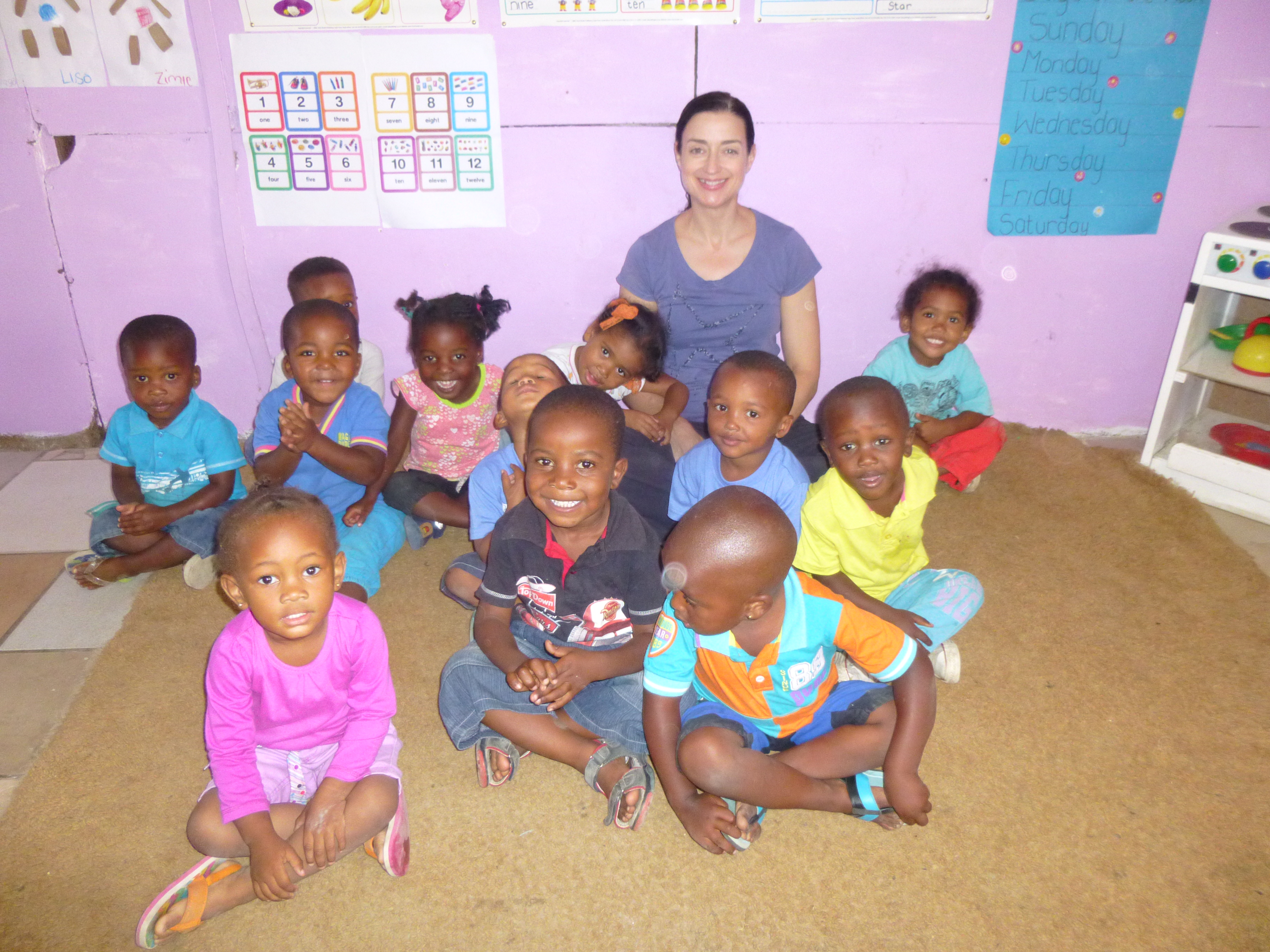
The crèches in Vrygrond – and the extension of Vrygrond called Overcome, where I worked with fellows, Romeo and Esther – cater for babies through to 6 year-olds. The children are under the care of the teachers for up to 10 hours a day. They eat breakfast there – a tasteless rice gruel – and lunch – a protein-enriched rice. The children nap, play, draw, read stories, sing songs, and learn basics like shapes, colours, letters and numbers. In many ways, these crèches are just like any other childcare centre, except that they do all this with few resources, no sewerage, no electricity, and in a place that can be extremely dangerous.
Lunch: rice with proteinThe play area for 45 children
Exhausting
The creche where I worked is called Little Lambs and in Overcome, there are no paved roads like in Vrygrond. The crèche has no electricity, a corrugated iron roof and walls to match. On the days when it is hot outside, it is even hotter inside. 45 children are packed into three small classrooms, and the children share the same toileting facility – a handful of non-flushable ‘potties’. The teachers use a port-a-potty, which takes up a large portion of the cemented play area. Water trickles from two taps – one on the front wall of the crèche and one in the ‘kitchen’ where the children’s meals are prepared. When children are given water to drink, they share the same four or five cups, each taking turns and waiting for their classmates to finish. The cups aren’t washed in between children. The children are told to wash their hands after toileting and playing outside and before they eat – yet for washing, they all use the same bucket of water which is replenished only once a day – and there is no soap.
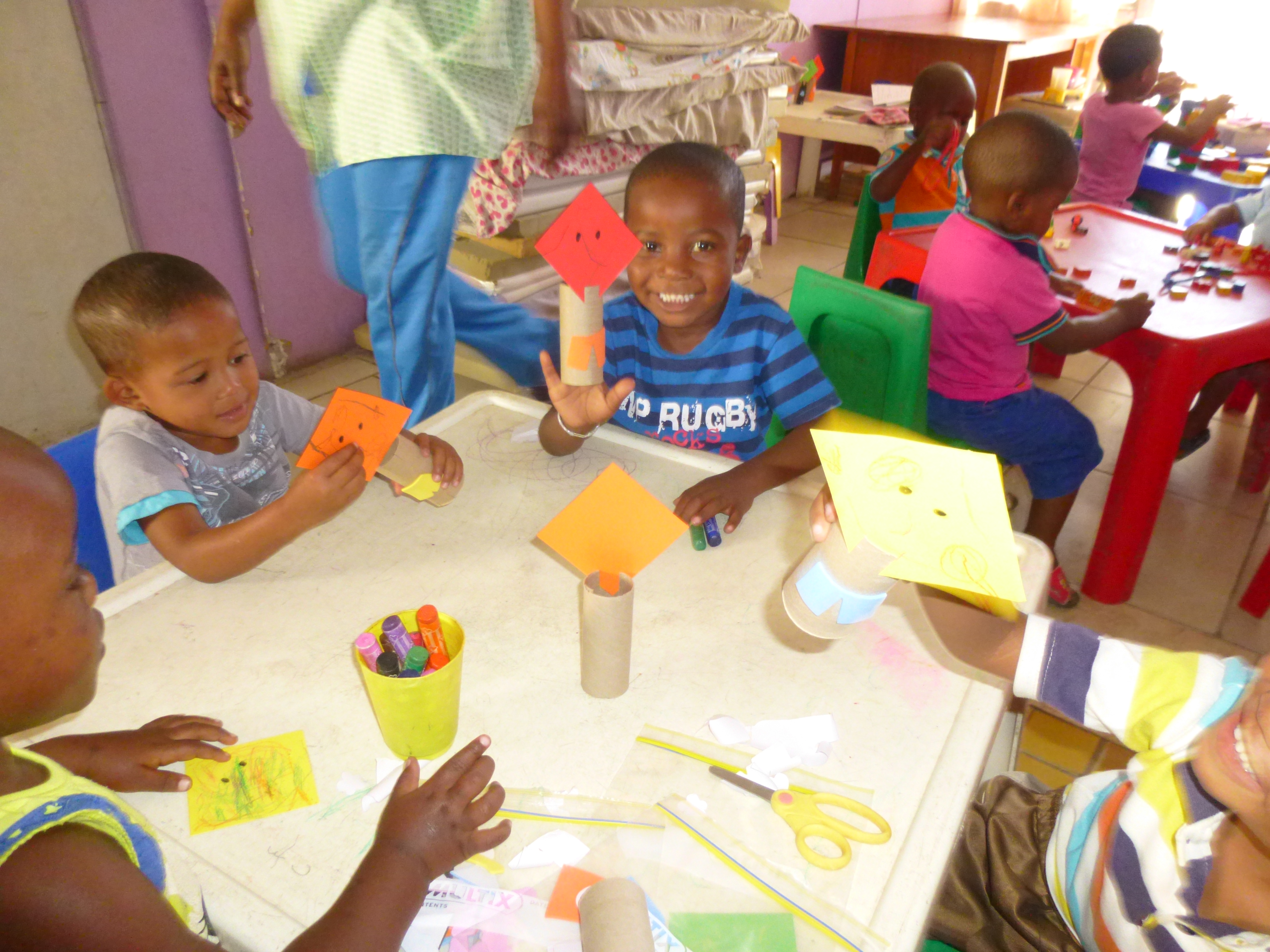
When I arrived each morning, I would set up an activity at one of the small tables, and the children would rotate to me in groups. Others worked on puzzles or crafts. There was a constant chorus of, “teacher, teacher, teacher,” as each child vied for a moment of my attention. After the table activities, they had a 1/4 of a piece of fruit and played outside on the rectangle of concrete. Then I’d usually read a story and sing songs with them – ones that had actions, so we could work on coordination and memory. ‘Incy-wincy Spider’ became an instant favourite. And there is nothing sweeter than hearing a group of children sing, “Twinkle, twinkle, little star, how I wonder what you are…” Then it was usually time for lunch. Before the meal, the children put their hands together, bowed their heads and sang, “Thank you, Father, for our food, many, many blessings, Amen,” to the tune of ‘Frère Jaques’. I suppose that they are blessed – or a least, fortunate – because although they often came to school in the same clothes several days in a row, and they may not have had an evening meal the night before, there are about 1500 children in Vrygrond and Overcome who aren’t in crèches at all.
Play time for the babies’ class
The classroom I worked in was for three and four year-olds. Admittedly, they were a challenging group in the first few days, but they grew to learn that I didn’t put up with naughtiness and only paid attention to well-behaved children. ‘Time Out’ was my closest ally in the first few days, and I channelled the Super Nanny every time I said, “No. That’s unacceptable.” The naughtiest child in the class on day one – Daniel – was one of the oldest and biggest children in the class. He was loud, aggressive, and a bully. After the third Time Out in about 20 minutes, his teacher removed him from the room and took him in with the babies. He hated that and begged to come back to the class. For some reason and from then on, he worked very hard for my approval, and thrived when he was given important tasks, like handing out rice to the other children.
Making puppets. Daniel in the centre.
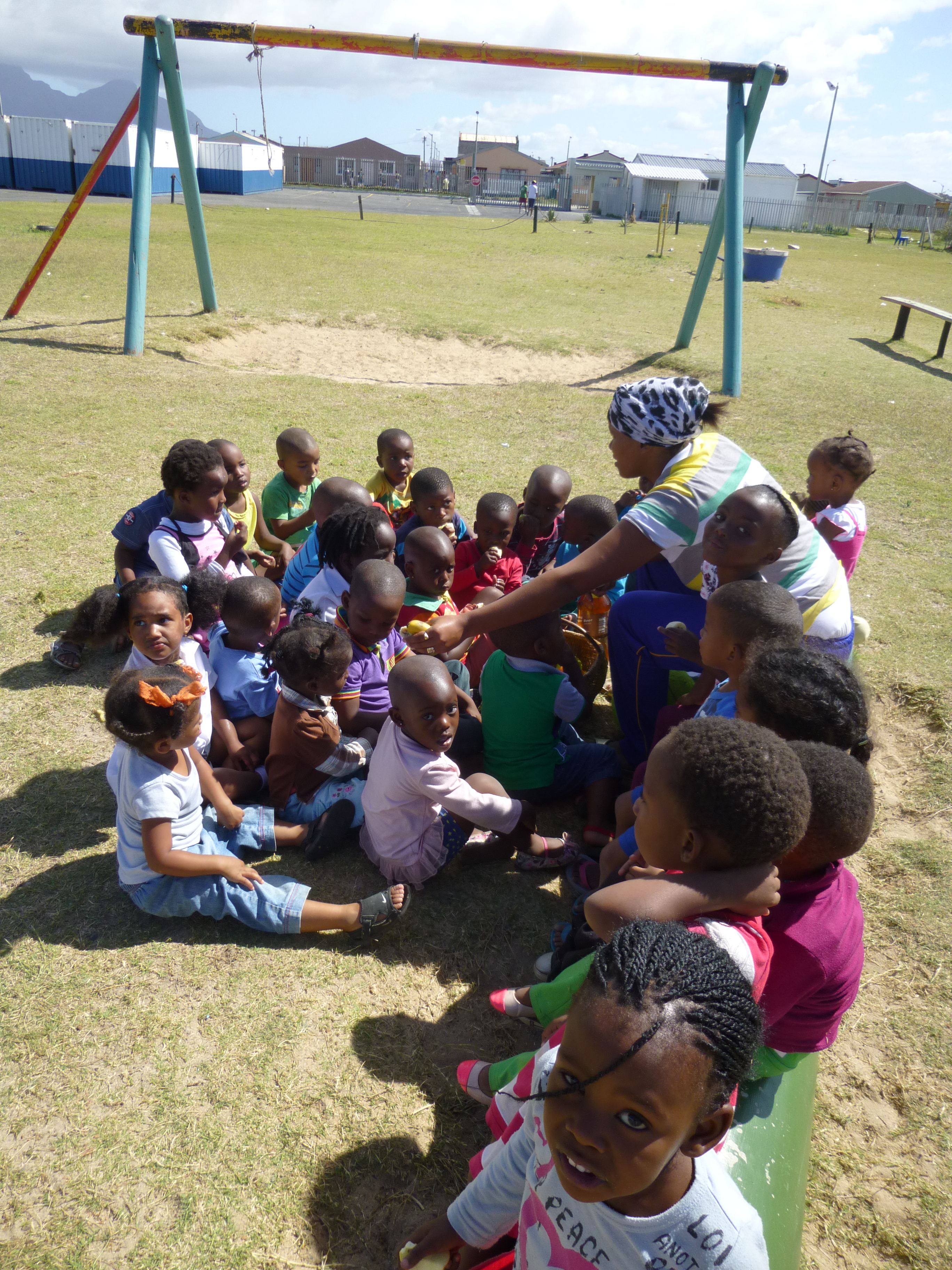
We had two trips to the nearby park over the two weeks. To say that I was nervous about taking 3 dozen children through the dusty streets of the township to the park, was a gross understatement. Firstly, as strangers in the township, we fellows were not allowed to walk around outside the crèche without an escort by someone from the township – or someone from True North. Simply, we were not safe on our own, and we got more than a few sideways glances as we chaperoned the children from one place to another. Then there was the aforementioned violence, drug deals and prostitution. It wasn’t as though those activities rolled to a halt because the local pre-school was on the move. And there was the fact that the children had very little road sense; we spent most of the journey corralling them off the road as though we were herding naughty little sheep. Once at the park, they were fine. They ran and ran and ran – something they couldn’t do within the small confines of the crèche. By the time we got back to the crèche a couple of hours later, they were ready for a nap, and so was I.
Snack time at the park: Teacher Geraldine hands out 1/4-pieces of fruitHeading back from the park
Replenishing
As a person who has opted not to have children of my own, I am sometimes asked if it’s because I don’t like children. That’s not why – and the reason why is a whole other blog post, so I won’t go into it here. The thing is, I love being around children. I loved being around these children. My time with them exhausted me physically – and even mentally at times – but it fuelled me emotionally. And what I learned from these little faces, was that it doesn’t matter where you go in this world, kids are kids. When I would sneak into the babies’ room – ’cause they were irresistibly sweet and affectionate – they would smile and reach their chubby little hands up to me. They loved clapping and singing, just like babies and toddlers anywhere, and they giggled with delight when tickled. And they craved cuddles, which I happily obliged them with.
The older children were funny, cheeky, inquisitive, and each saw themselves as the centre of the universe – just like any other group of 3 and 4 year-olds. They love being read to, cuddled, praised, and to sing. They wanted attention, affection, and someone to kiss it better. Over only two weeks, I went from a stern stranger to someone who could make them smile with just a wink or a silly face.
With the cheeky little cuties – the bigger the smile, the cheekier the child
Gratifying
In the afternoons, we returned to True North’s community centre, where we each worked with two children on a pre-literacy program developed by a team at Pearson South Africa. The aim of the program was two-fold: to determine how much impact the proposed literacy activities could make in just 8 sessions (of 2 hours each), and to introduce a reading resource specifically designed for children who lived in townships. We worked from four newly-developed books, and the illustrations were just incredible. The children instantly engaged with the accurate representations of their world. Vrygrond is a place where most books they read are cast-offs, and are often irrelevant to their lives or inappropriate for their age group. It was incredible to watch their delight as each new page was revealed.
My two were called Trizza and Clever. Trizza was shy at the start of the project, but by the second week was comfortable enough around me to show her bossier side. She was extremely bright and sometime lost patience with Clever, who was slower to master the given tasks and concepts. Clever was a kind and warm child, gregarious and a leader on the playground, but I wondered if his moniker would set unreasonable expectations for him throughout his life. He struggled with some basic literacy tasks, but I admired that he never quit. He was often among the last in the room to complete a task, but he always wanted to finish. By the end of the two weeks, Trizza demonstrated an enhanced ability to recall details and sequences. Clever, who began the fortnight by roughly turning pages, creasing and tearing them, learned to respect books as something precious, and how to turn pages carefully. They were both excited to be given their own take-home copies of each of the four books. “Who are you going to show your book to?” I asked each time they got a new one. “My mummy and my sister,” Trizza would say. “My daddy!” replied Clever. Both of them smiled with pride at having something special to share with their loved ones.
Trizza and Clever
Enjoyable
It was mostly hard work, but it wasn’t all hard work. After preparing lessons for the following day, we gathered to drink wine and talk about our lives back home. We told funny anecdotes about loved ones, and learned the names of each other’s children, best friends and significant others. We exchanged job descriptions, because although we all worked for Pearson, we had a diverse range of roles. We debriefed about the highs and lows of our days, laughing and crying in equal measure. Half of us got sick: colds, food poisoning, and a mystery illness which seemed to combine the two. We shared gifts and goodies we had brought from home, teased each other relentlessly, gave dozens of supportive hugs, danced to Madonna, and drove each other crazy by hogging the bathroom or using up all the internet.
Over the two weeks, we became a sort of mismatched, semi-dysfunctional, supportive, infuriating, and endearing family.
Over the 17 days I spent in Cape Town I also got to catch up with some dear friends who live there – 2 couples I know through previous travels. I managed several early morning workouts and yoga practices, which were particularly memorable because Cape Town sunrises are so breathtaking. Over one weekend, we all went sightseeing (organised by the fellowship) and wine tasting (organised by us). We were taken out to dinner several times to lovely restaurants, and I must say, South Africans do incredible seafood, and have an extensive (super-affordable) repertoire of delicious wine. And, after the fellowship wrapped up, four of us did an overnight safari at a private game park (this must be saved for its own post). And, most happily, I made some dear friends, including my roomie, Jenni, from Texas and my crèche-mates, Romeo and Esther.
RoomiesRomeo from Mexico – my crèche-mate
So, how was it?
It was something I will remember my whole life. I know how fortunate I am to have such an incredible opportunity.
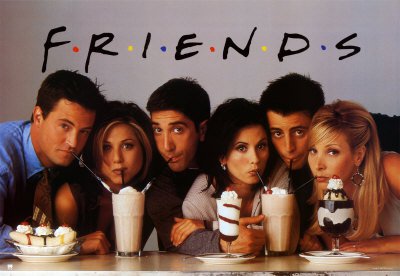
When FRIENDS burst onto the scene in the mid-90s I devoured it with an appetite I hadn’t had since TV shows were named after addresses in California. Of course, I wasn’t alone – it was a juggernaut. It was refreshingly funny, it was aspirational, it was Seinfeld for Generation X. I can still watch any episode and laugh out loud; it’s my go to viewing when I am stuck on a long flight and all the movies are rubbish.
And while so many people were saying, “I wish I had friends like that,” I actually did. My uni friends. I loved the show back then, because it depicted the types of friendships I had in my 20s.
We were a theatre crowd. We smoked socially, precociously kissed each other ‘hello’, and we danced until the wee hours, sweaty, grinning, wrung out and happy. We had sing-alongs where someone played a guitar – yes, really. We were poor, so we shared plates of chips, our beds – mostly just to sleep – and our cars. Someone would always let you crash at their place or give you a ride. We drank gallons of tea and instant coffee, and ate Vegemite toast for breakfast, capping off impromptu sleep-overs. We sipped on cheap wine – Chardonnay and Cab Sav – thinking we were so sophisticated. I remember a stint of gin and bitter lemon on hot summer nights.
We fell in and out of love with each other, and crushes changed almost weekly. We were beautiful and talented, self-conscious, eager, brilliant, and naive. We discussed important things with the passion and youthfulness of those who had only just discovered Marx, and Freud and Steinem. We still are beautiful, talented, and brilliant, by the way.
We numbered more than 6, but our large group was fluid and many of the friendships forged then still run deep today. The others are there, vibrant in my thoughts, nostalgic bursts of happiness. We have struck out into the world, spanning all continents bar one (I haven’t heard any news of old friends taking up residence in Antarctica – yet). We have become parents, partners, spouses, actors, teachers, writers, intrepid business owners, corporate wizkids, and culinary geniuses. We even have a real life Ross and Rachel who married in a glorious beachside wedding in the noughties, and now have two gorgeous little boys. And there are other lovely couplings from those days who have made lives and families together.
I freely admit to having the hugest crush on Ross – the one on TV, not his counterpart who married my best friend from uni. Ross was thoughtful and loving, incredibly smart, and sexy as anything; the man rocked a turtle neck. And the very best thing of all, is that in my late 30s, I met a guy like Ross. Only he’s also got the wit of Chandler. So, in other words, I hit the jackpot.
I love my uni friends – from afar when we’re apart, via Facebook (which for all its criticism, is my tether to friends around the world), and when we’re sitting down to coffee, or sharing a decent bottle of wine, or eating a great meal. It feels the same. The laughter is still deep, the love is still strong, and they are so very dear to me.
There has been some hubbub in the cyber world this past fortnight, because of this woman, Maria Kang. The backlash, both from the online community and from people I know, was passionate, angry and sometimes even vile. How dare she shame other women? ‘Fat shaming’ it was called. I watched this discussion unfold (mostly on Facebook and on Mama Mia.com where you can read two takes on the matter here and here) with interest. Most of the response was from mothers and I am not a mother, so I didn’t really join in on the discussion, because I figured I wasn’t ‘qualified’.
But then I realised that when I look at the photo of Maria Kang, with her taught body and three small children, I feel like she’s also talking to me. I have no children, I have enough time, I have means, so what’s my excuse? Why don’t I look like that? It’s a good question, Maria. Thank you for asking!
Because it is such a good question, I took the time to answer it for myself – honestly. This is what I came up with: “I do the minimal amount of exercise to maintain a healthy weight and a level of fitness that keeps me generally feeling well. I don’t really like protein shakes and all the other stuff I would have to replace the delicious food I do like with. And I really like wine, so my excuse is that I’m fine with how I am.”
And it didn’t make me mad. And I didn’t think she was a shaming cow for posing the question – particularly because I understood that her intention was to, as she explains in her response to the backlash, inspire other women, to let them know that they can benefit from making time for themselves. And on that point, I agree with her 100%. For me, taking time for myself just looks like something else.
Then I came across this discussion asking whether or not wearing makeup is deceptive. Good grief! And if you read the negative comments about how beautiful this woman looks in her makeup, they’re from women!
Ladies, enough!
Let’s go back a decade when I attended a professional development session (as a teacher) with Michael Carr-Gregg, who is a well-respected child and adolescent psychologist. He asked us to imagine that our life was represented by three baskets: our self, our family (including our significant other), and our friends, colleagues, job, and responsibilities. That third basket is a doozy – there is a lot going on in that third basket.
Once we had imagined the baskets, he gave us 30 imaginary eggs to disperse between the baskets. How would we split up the 30 eggs between the three baskets? When we came to the results of the experiment, he told us that many women opted to place the smallest amount of eggs in their own basket, and then split the rest between baskets two and three. Typically, however, men don’t. Generally, men will put the most eggs in their own basket and then split the rest between the other two.
(Just so you know, I initially put 10 in each basket).
Carr-Gregg’s argument was that to be a truly contented and balanced person, one who felt like their needs were being met and who could give to others happily and without resentment or feelings of obligation, we needed to put 15 eggs in our own basket, 10 in the second basket (our spouse/spice and family) and 5 (!) eggs in the third basket.
His reasoning was that if we dedicate enough of our time, energy and love to ourselves, by the time we crack those eggs in the third basket, they’re double-yolkers. I loved this. SO much! I have carried this with me for a decade.
And those times when I feel strung out, wrung out, and as though my obligations – ones I mostly took on willingly – are piling up over my head, when I resent the people I love the most, when I mindlessly hate strangers who I perceive to be more accomplished, more attractive, or just generally more than me – when my default setting is ‘negative’ and I am quite unpleasant to be around, I do an egg audit. And I usually find that I have been putting too many eggs in the wrong basket.
One of these woman exercises to honour herself, the other wears makeup. Let us not call them names. Let us not be insulted, or intimidated, or indignant about their choices. Let us not fight amongst ourselves. Rather, let us be inspired by how many wonderful ways we can pursue our own goals and aspirations. Let us (myself included) turn the question inward, and ask, ‘how many eggs are in my basket?’
In 1997 (February) I was on Contiki’s European Training Trip. This is what I wrote about going to Gallipoli.
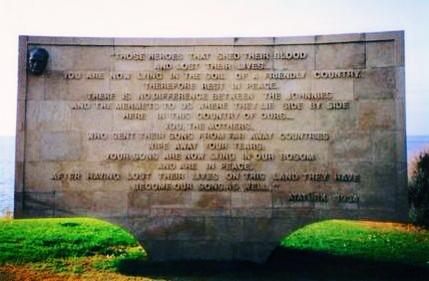
Attaturk’s Memorial, Gallipoli, Turkey. With thanks to Patrice Andersen.
Leaving Greece we were on a pilgrimage – to Gallipoli. Most of us were antipodean and we were keen to see where our ANZACs had landed, fought and died, and to pay our respects with a brief service at one of the cemeteries.
Our coach was met by guide, an older Australian gentleman who led us through the displays at the visitor’s centre. I was antsy and wanted to get out in the fresh air to see the trenches and touch the grave markers. We loaded up and drove some way up a dirt track, stopping at the section of coast the soldiers should have set down on. I was struck by the silence. It was cool in the pale sunlight, the sky a milky blue, so different from the sky that had delivered storms the day before.
The water lapped the beach gently, no waves, no ocean sounds, no wind, just stillness, as though the ocean had been silenced along with those who lost their lives. I stared down into the clear water, only inches deep, and saw a smooth, snow white rock. I reached into the cold water and collected it; it fit perfectly in my closed fist. I remember wondering if it was illegal to take from the beach at Gallipoli. Probably. Selfishly I pocketed the rock.
The next stop further along the trail was a monument, one of dozens. However, this monument would stand alone in my mind from then on. It testified of the great mutual respect felt between the two warring sides during the battles of Gallipoli, and the eventual alliance that formed between them. This monument left me speechless. It was erected by Attaturk, and it is engraved with his words:
Those heroes who shed their blood and lost their lives,
You are now lying in the soil of a friendly country.
Therefore, rest in peace.
There is no difference between the Johnnies and the Mehmets to us where they lay
Side by side, here in this country of ours.
To the mothers who sent their sons from far away countries,
Wipe away your tears.
Your sons are now lying in our bosom
And are in peace.
After having lost their lives on this land they have become our sons as well.
We wound our way up the hill, passing trenches left open for nearly 9 decades, gaping holes the reminders of lost lives. At the top of the hill we stopped at one of the cemeteries, populated by Aussie diggers – most of whom were barely post-pubescent. We walked the rows of grave markers, the lawns were trimmed, small shrubs well attended. The ANZAC monument gleamed in the morning sun. Our heads were bowed to the markers as we stopped and read selected epitaphs.
It was numbing to imagine the young men, terrified, landing on the beach in darkness, met with bombardment. I know that many of us were replaying that final scene from the film “Gallipoli” in our minds, realising the futility of the ANZAC and British assault as we stood upon the terrain.
I stopped in front of one grave marker, its message burning on my brain, “To see you just once again, to shake your hand and say ‘well done’”. I turned, the tears that ran silently became a sob, and buried my face in a friend’s chest. He put his arms around me and hugged me tightly.
We laid a wreath and listened to “The Last Post” played on a portable tape player. One of us spoke, eloquently, a kind of prayer. “Lest we forget.” I touched the rock in my pocket, washed clean of any blood that may have marred its pure surface 90 years before. Such brave men and boys. I had never been so proud to be an Australian.
Last week I listened to/watched a wonderful talk by Kirstie Clements, the woman who was the editor of (Australian) Vogue Magazine for 12+ years and was unceremoniously dismissed last year. The talk is an incredible exploration of women in the business world and if you have 25 minutes to give to it, you may just find it as fascinating as I did.
One of the points that Kirstie made was about holding tight to professional integrity when many around you are selling theirs to the highest bidder. In particular, she had some interesting things to say about ‘market research’ and how middle-predominantly male-management at the publishing house would tell her – a woman who had worked in the fashion publishing industry for more than two decades – about the Vogue reader. Market research indicated that women do not read pages of text without at least one image on them. Market research told middle management that all women like pink and all women like shoes. These were the specific examples that she listed, but you get the drift. She was constantly battling to provide cutting-edge, relevant content while still maintaining a luxury brand. Whether or not you are a Vogue reader, there’s definitely something to be said for professional integrity and knowing your audience.
By the way, I kinda don’t really like pink, except maybe on my lips – and then only sometimes. But I digress…
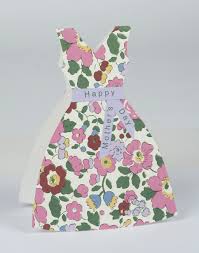
This week I went shopping for Mother’s Day cards – 5 in total, for various lovely ladies in the family that Ben and I share – and boy, talk about pink! To steal a line from a fave movie of mine, Steel Magnolias. “It looked like the place was hosed down in Pepto Bismol!” Pink, pink, pink, and not a drop to drink (I don’t mind a drop of pink champagne or a Cosmo from time to time). And not just pink cards – pink cards with flowers or dresses on the front. Flowers I can understand, but dresses? Drawings of dresses? Why on earth???
Maybe this love of drawings depicting pink dresses is a well-kept ‘mother’ secret and as I am not a mother, I am not privy to it? Or, maybe, somewhere down the line, the market researchers had a brain fart and this is the result. Good grief, Charlie Brown! By the way, I chose the least flowery, least overly pink cards I could find. For those 5 women, one is coming soon to a mail box near you.
And speaking of farts…well, we were about two sentences ago, sort of…
Last week (it was a big week for revelations), Ben and I went to see my uni friend, Gavin, perform his comedy act as part of the Melbourne Festival. I would plug it, but it’s over. It was hilarious, by the way, but back to the farts.
Gavin, a comedian who expertly draws on real life for his act, had tried to find his dad a card for this birthday. Apparently – and I can attest to this being true, as I bought a card for my soon-to-be-60-father-in-law yesterday – all 60-year-old men like booze, cars and/or golf. I say ‘and/or’ because to their credit a lot of the cards combined these activities in pairs – and sometimes all three!
The exception to these three things that 60-year-old men like, is farts. Apparently they also love fart jokes, even the unfunny ones. All men do, didn’t you know?? So much so, that in his show Gavin produced what I can only describe as the WORST card I have ever seen, which said on the cover, “Your farts hospitalise small children,” and on the inside it said nothing. It was blank. I mean, really, once you’ve said that to someone, what else is there to say? The saddest part? Gavin had to go to three places to buy it, because it was sold out in Myer and Target.
So, well done market researchers. Women like pink and men like farts.
** No market researchers were harmed in the writing of this blog.
Our family is on the move. My partner, Ben, is being transferred to Melbourne, Australia early in the new year, and we are packing up and heading down under. For those of you who don’t know, this will be a homecoming for me, as I am an Aussie born and bred. Melbourne, however, will be a new home city for both of us, which is part of its appeal – discovering it together. I will be cheating a little, as I have several friends there I have known for 20+ years; I am very excited about being able to see them on a regular basis. And Melbourne was named the most livable city in the world for the second year running!
Things I will miss about Seattle:
All the people we have come to know and love.
Not seeing all the new babies arrive and/or grow up. : (
Restaurant month(s). 3 courses for $30 is awesome.
Happy Hours – not as popular in Australia (boo).
Dogs. Every other person has a dog here – in the city – and I just love their little faces.
Mt Ranier, the Sound and other stunning views.
Fall leaves.
$16 pedicures.
Politeness. Even the homeless are polite in Seattle.
Customer service. It is really good most places, including the grocery store.
Woodhouse winery in Woodinville. So good.
Dinner club.
Things I will not miss about living in Seattle:
The traffic.
The grey.
The trash and cigarette butts on the street.
Things I am looking forward to about life in Melbourne:
Buying a bike. Melbourne is basically flat and has lots of bike trails.
Being close enough for family and friends in other cities to visit on (long) weekends. Aussies are happy to take a cross-country flight to visit someone.
Long weekends. There are lots, including two within two months of our arrival – Australia Day long weekend at the end of January and Easter, which is 4 days off at the end of March.
Great coffee pretty much everywhere.
Drivers who can drive and awesome public transit.
Better weather than Seattle. Melbourne is the same latitude as San Francisco, so similar to that.
Traveling within Victoria and beyond, especially the wine regions, south-east Asia, Tasmania, New Zealand and the Great Ocean Road.
We started watching The Mindy Project when it began airing this fall. I’m enjoying the fast-paced, self-deprecating humor. And Kaling is clever, sassy and cute, which works well for the style of the show.
In this week’s episode, one of the guys Mindy works with teaches her some prison wisdom; he encourages her to name her inner warrior and call on her whenever Mindy needs to source her inner strength. Later in the episode, we learn the name of Mindy’s inner warrior, Beyonce Pad Thai.
Brilliant!
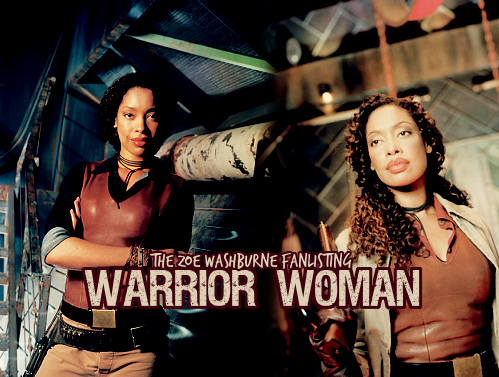
I immediately wanted to name my inner warrior, pausing the episode to consider what she would be called. In my head she looks like a combination of Zoe from Firefly:
and this warrior woman I found online:
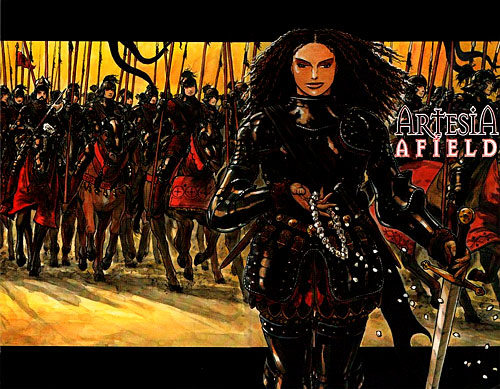
So, maybe something like this:
For those of you who missed that Firefly is awesome, Zoe is kick-ass. She’s cool under pressure, a formidable soldier, and most men are terrified of her, including her husband and her captain. I liked this second image, because firstly, she is fully-clad, which is more than I can say for many of her contemporaries. Also, she is regal, has a sword, which she clearly knows how to use, and she coordinates well with her steed. The final woman warrior is “…the eponymous Artesia of Dara Dess, a warrior-queen, witch, spirit-walker and former concubine…” (tvtropes.org). That is some kind of resume. I like that she has skills in multiple disciplines, plus she is leading an army of men, which I think speaks volumes for her credentials as a woman warrior.
My inner warrior certainly emerges from time to time. She does not suffer fools, is highly protective of her clan, and can silence the annoying, the dim and the fullhardy with a single look. She can be caustic and seductive, depending on what is called for, and she can paint an arrogant braggart into a metaphorical corner. She values loyalty, hard-work and accountability, and she has great hair and wears a pair of really tall, but comfortable boots.
Taking Mindy’s lead, I tried to add together the name of a long-admired woman and an Asian food. My first attempt was Anniston Kimchi. Hmm. Xena Spicy Salmon Roll? Condoleezza Wasabi. Ooh, I like that! I am still working on it, but I think I will have to abandon Mindy’s formula. Suggestions are welcome.
Four years ago I lived in Sydney, Australia. Four years ago I was part of the ‘watching world’ as we held our collective breaths waiting for election day in the United States. Like many of my peers, colleagues and family members, I was so pleased and so relieved, when Obama was elected in what we considered a landslide decision that I had tears in my eyes when I watched the news on television. In my mind America – and the world – needed a BIG change. And, although McCain seems like a truly good person, I agreed with the majority of Americans who decided that he was not what the country or the world needed. Obama was.
I would wager that many Americans would be surprised by how many people outside of the U.S. watch the presidential race with keen interest and investment. America – as it is also known around the world – is still a super power, despite, well too many things to name. The decisions made and the actions taken in America more-often-than-not affect everyone else in the world – either directly, or through an international trickle-down. For that reason, America please know that the world is watching very closely as we inch towards the upcoming election.
The running gag is that most Americans are unconcerned or uniformed about what happens overseas. Having lived in the U.S. for nearly four years I would argue that many Americans (now) know all about what is happening overseas. In this era of social media and streams of information feeding us non-stop and immediate updates, it is difficult to remain uninformed about the Arab Spring, for example. As an Aussie I still, however, get asked ‘dumb’ or weird questions about Australia, but many people in my immediate world know that our Prime Minister is Julia Gillard – or at least, that she is a woman.
To all my non-American readers, know this: Americans are not dumb. I know, I know, this contradicts the stereotype, but I will go all ‘Mama Bear’ on anyone who says otherwise. Half of my family are American, the man I love is American, many of my dearest friends are American – even my cat is American. And having lived here for twelve years of my life I can speak from a place of authority when I say that the stereotype may be perpetuated by terrible reality TV, but ask yourself, how many Aussies actually say, ‘Crikey’, and bounce about playing with deadly animals? About two – and one of them died in a tragic accident.
But I digress…
Last week was the first of the presidential debates. Romney kicked Obama’s ass, which he could have done simply by staying awake. Upon reflection and some research about his ‘facts’, it turns out that he spouted a barrage of non-truths. That said, who is to say that his economic plan will or will not be any more effective than the stuff that Obama has been trying for the past few years? Neither of them can predict the future and even economists can’t agree, so how will the American people decide?
Note to Mitt: Asserting something with all your might doesn’t make it true. Your guess is as good as anybody’s, but let’s call it what it is – a guess.
So, I along with other ex-pats and people around the world will be watching this election with great interest. The world is watching America, so please guess right.







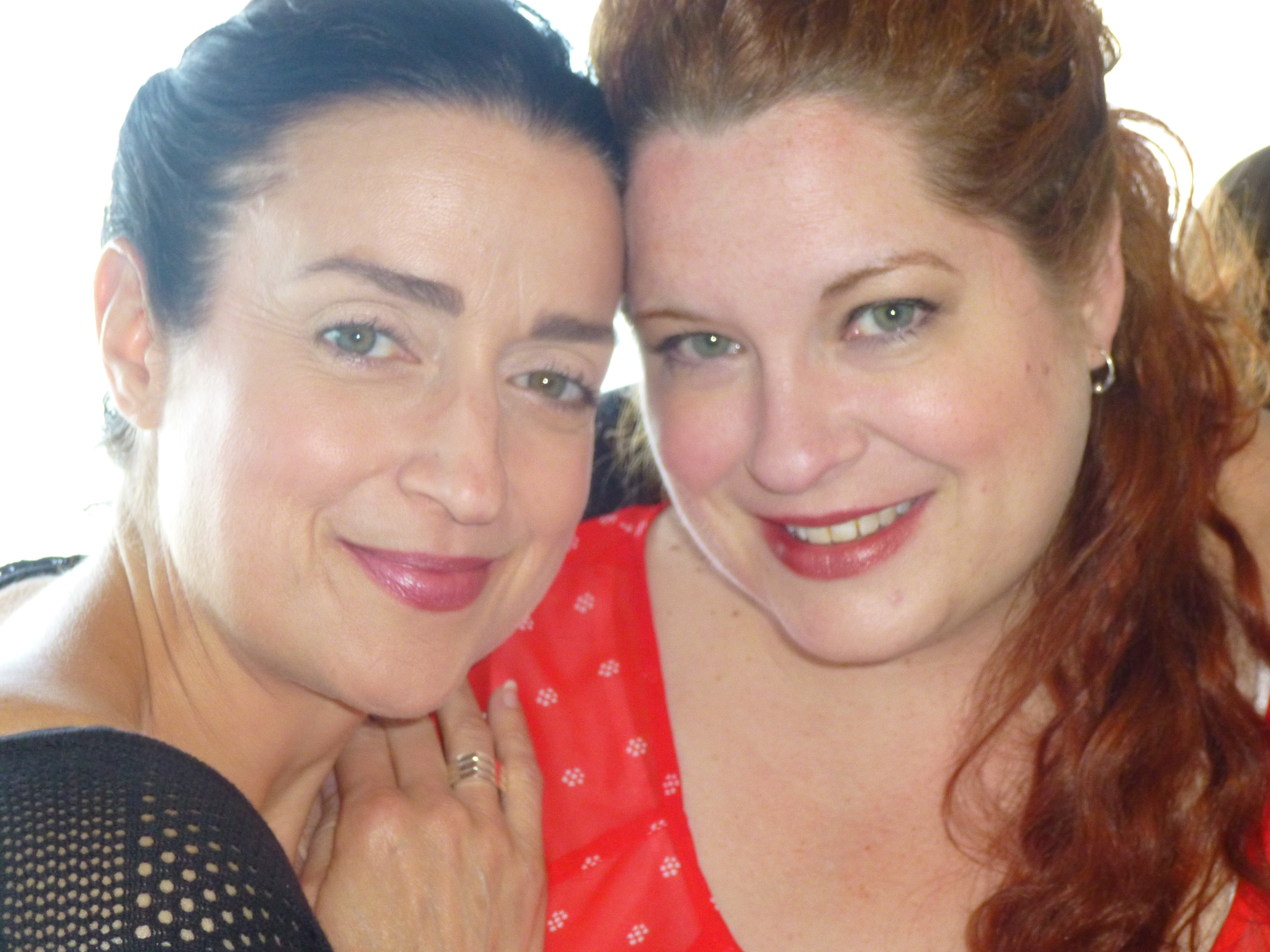





 Sandy Barker | Author
You must be logged in to post a comment.